

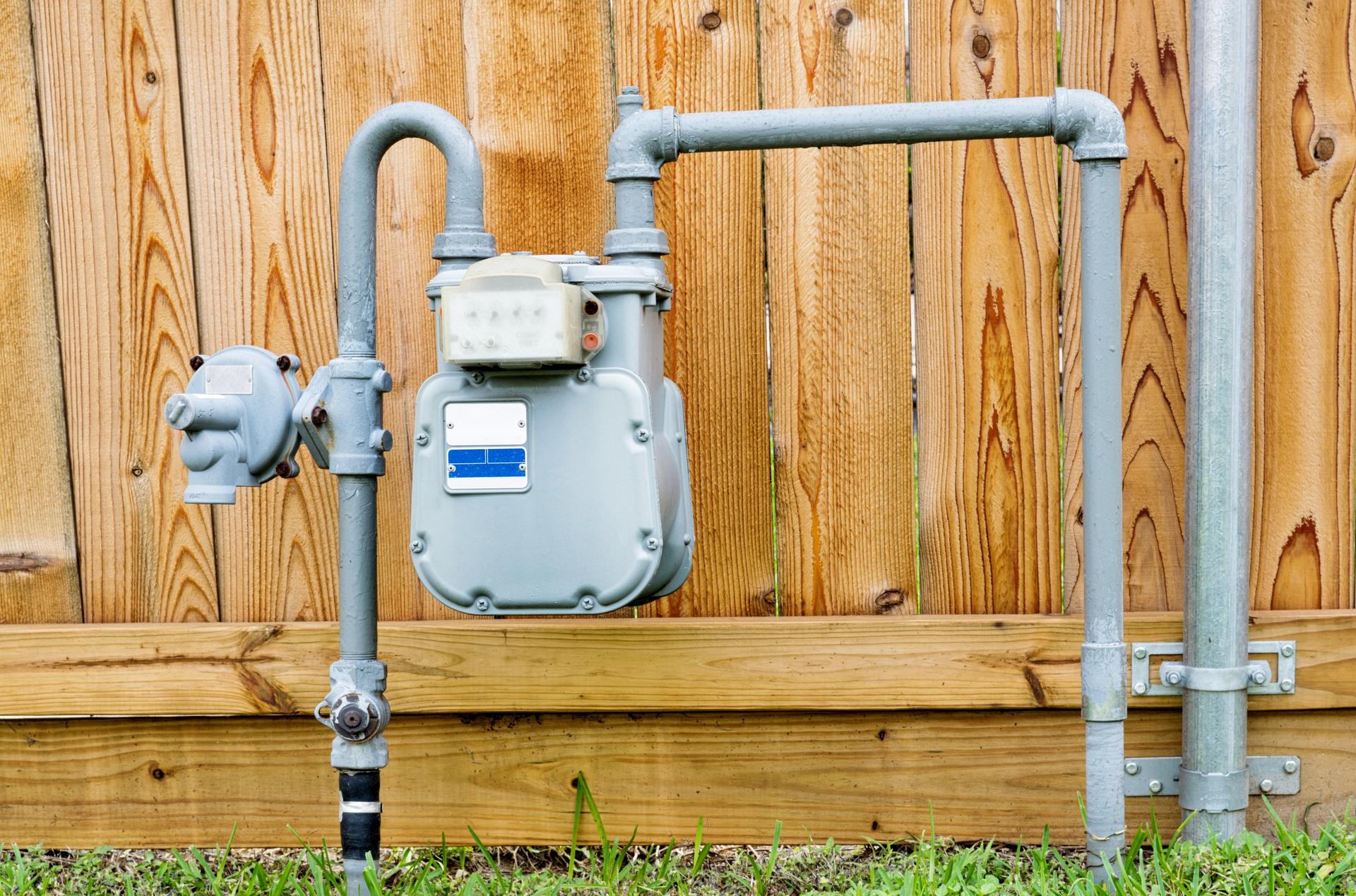
Turn on a stove or run a hot shower, and there is a good chance gas is doing some of the work behind the scenes. Most people never see the pipes that make it happen, yet a lot of daily comfort depends on them. Gas work calls for specialized knowledge, which is why licensed professionals handle it. Here is a plain look at what gas plumbing is and where it shows up, plus a few things worth knowing before a project begins.
What Is Residential Gas Plumbing?
Residential gas plumbing is the network of pipes that carries fuel into a home and sends it where it is needed. The fuel starts at a supply source, such as a utility connection or a tank on the property. From there, gas lines run through the house and end at each appliance that uses gas. Think of it as a quiet delivery route that runs behind walls and floors.
Valves and connections sit along the way so the flow can be controlled and directed. Gas stoves and water heaters are the best-known users of this setup. Fireplaces and clothes dryers rely on it too, and so does gas-powered equipment found outside the house. Because the lines stay out of sight, many homeowners go years without thinking about them. Knowing the basics makes it easier to talk through a project when one comes along.
Where Gas Plumbing Is Used in a Home
The kitchen is where most people first meet gas, since a range with a live flame is a favorite for everyday cooking. Water heaters often sit in a utility room or garage, tucked out of the way but connected to the same system. A gas fireplace can turn a living room into the place everyone gathers on a cool evening. Out on the patio, lines may feed a grill or a heater built for outdoor use. Gas supports cooking and hot water, and in many homes it keeps rooms warm through colder months.
Gas plumbing often becomes part of a home during new construction. It also comes up when a renovation changes a layout or when an old appliance is swapped for a newer one. Some homeowners even run a gas line to a spot they have not used yet, such as a future outdoor kitchen, so the space is ready when plans come together. Every appliance has its own connection, so a good layout makes sure each one gets what it needs.
When You May Need Professional Gas Work
Plenty of home projects involve gas, and many of them call for a qualified professional. Picture a homeowner who has chosen a new gas range for a remodeled kitchen. The old connection may be in a different spot than the new range, so a professional comes in to move the line to the right place.
Renovations often lead to changes in existing lines, especially when a kitchen layout is rearranged. Replacing an appliance or moving it to a new location can call for the same kind of work. Some homeowners also want a closer look at an existing system because a question has come up about how it is performing.
Gas work is not a typical weekend plumbing project. It takes training and the right tools, plus a full understanding of how gas systems go together, so a qualified professional is the right person for the job.
How to Plan Gas Plumbing for a Home Project
A good plan starts with two questions. Where will the appliance go, and where are the gas lines now? The answers shape how a new connection is laid out and how much of the existing system comes into play.
Renovations add another layer. Taking down a wall or reworking a floor plan can change where lines run, so it pays to think about gas early instead of after the design is set. A range in a busy kitchen has different needs than a fireplace in a quiet den, and proper planning helps the system fit the way each appliance will be used. Taking a little time here keeps surprises to a minimum once the work begins.
On larger remodels, many trades work in the same space, which makes coordination between plumbing and gas work a real help. Anyone looking for residential plumbing services that can keep both pieces on the same schedule will find that early conversations make the whole project run smoother.
Why Licensed Gas Plumbing Matters
Gas systems reward careful work. Proper installation and skilled workmanship at every connection are what make a system reliable for years of daily use. Licensed professionals also know the requirements that apply to gas systems, and that knowledge shapes how a job is planned and finished. A plumber who is licensed and insured in plumbing and gas work brings that experience along with an added layer of reassurance for the homeowner. Insurance matters because it gives people more confidence while work takes place in their home.
The result is a gas setup that meets the needs of the home safely and appropriately. Good work also holds up over time, which means fewer reasons to revisit the same project later. Homeowners get to enjoy their appliances without second-guessing what is behind the wall.
When to Contact a Gas Plumbing Professional
Reaching out early usually makes a project easier. A new gas appliance is a natural reason to call, and so is a plan to add or change a gas line. Home renovations with gas appliances benefit from a quick conversation before any work begins. Questions about an existing gas setup are welcome too, along with any other situation that involves gas work. Same-day services are available when timing matters, so a project does not have to sit and wait. A quick call can clear up questions and point toward the next step, even when a project is still in the early planning stage.
Conclusion
Residential gas plumbing is a quiet but important part of any home with gas-powered appliances. Working with a licensed professional for new installations and changes to existing lines gives homeowners a clear and comfortable path forward. Connect with our team today to talk through your home’s gas plumbing needs.
Frequently Asked Questions About Residential Gas Plumbing
What appliances commonly use residential gas lines?
Cooking ranges and water heaters top the list, and many homes also use gas for heating. Dryers and outdoor fire features are other places where it turns up.
Can a gas line be added for a new appliance?
Often, yes. A professional looks at the layout of the home and what the appliance needs, then maps out the best way to connect it.
When should gas plumbing be evaluated during a home renovation?
As early as possible. Ideally, it happens during the planning stage, before walls close up and before appliances are ordered. Bringing gas into the conversation then helps the layout and the schedule fall into place.