

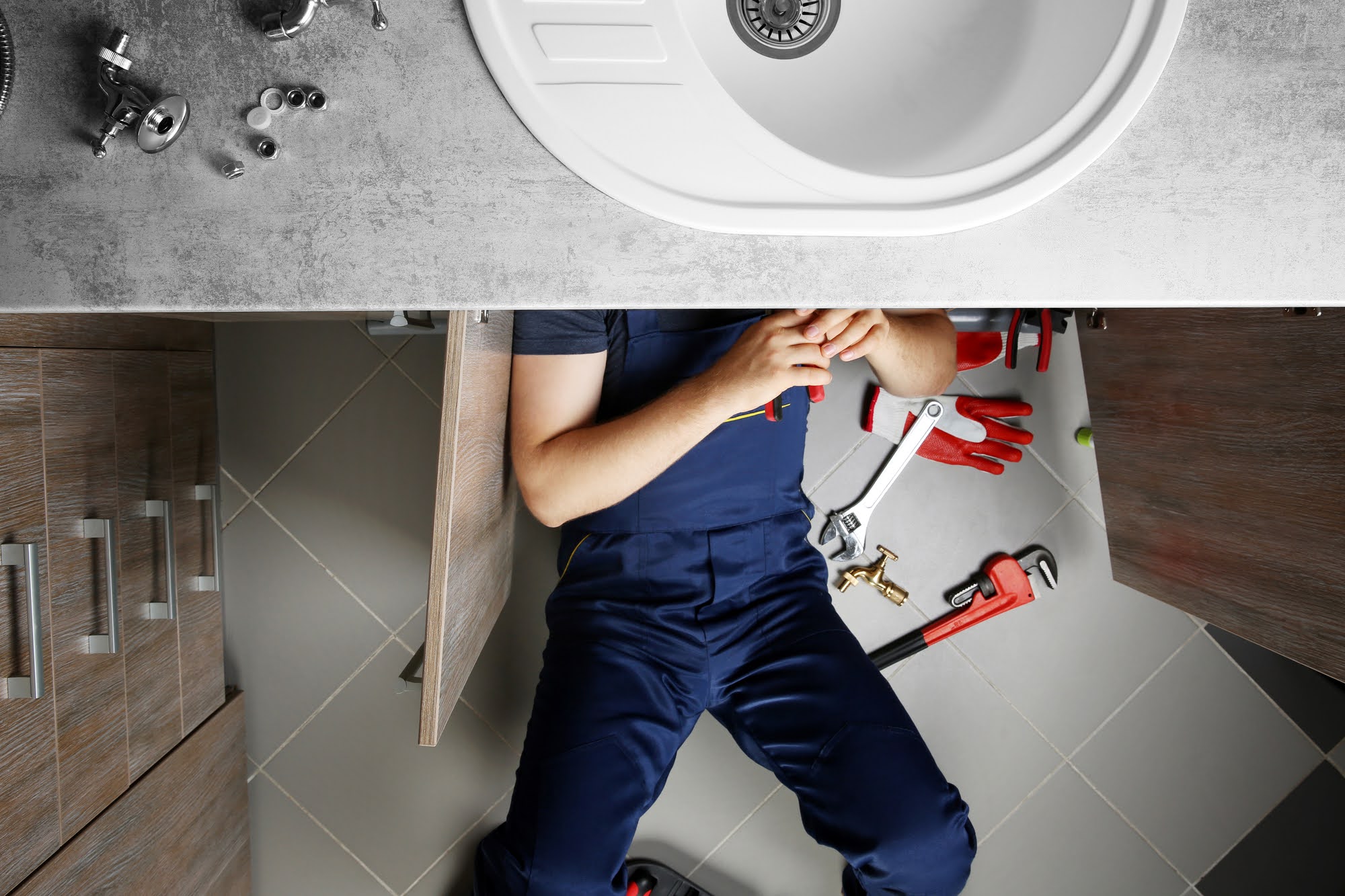
Plumbing does its work out of sight, so a problem rarely announces itself right away. More often it shows up as a small change, like a drain that lingers or a faucet that sounds different than it used to. Noticing those changes early can save you a lot of frustration later, and the seven signs below are a good place to start.
1. Slow or Frequently Clogged Drains
Drains are usually the first place a plumbing concern makes itself known. Water pooling around your ankles in the shower or taking its time to leave the bathroom sink is a common early clue. Kitchen sinks slow down too, often because of food residue and grease.
A slow drain usually points to buildup that is gradually narrowing the pipe. When the same clog returns week after week, the blockage may sit farther down the line than a quick clearing can reach. A plumber can find the true source and put an end to the cycle.
2. Unusual Plumbing Noises
Pipes are meant to be quiet, so a new sound deserves a listen. Banging behind a wall or gurgling from a drain are two familiar examples. Many people get used to a sound over time and stop hearing it, which makes it easy to overlook. Noises often trace back to how water moves through the pipes or how pressure changes inside them. A sound that happens once is rarely a concern. One that keeps returning or grows louder is a good reason to schedule an inspection.
3. Low or Inconsistent Water Pressure
A shower that once felt strong and now feels like a light drizzle is hard to miss. Faucets may sputter, or the flow may change from one moment to the next.
It helps to compare a few fixtures around the home, since a change in one spot means something different than a change in all of them. When only one fixture is affected, the cause is usually local to that fixture.
When several are affected at once, a larger issue in the system becomes more likely, and a professional can trace the change back to where it begins.
4. Unusual Water Color or Odor
People know how their water normally looks, so a change tends to stand out. Water may come out cloudy or tinted, or it may carry a smell that was not there before. A different taste counts as well. Sudden changes and ones that stick around for days both deserve a closer look rather than a wait-and-see approach. When the reason is unclear, a professional evaluation can sort out what is going on and give you peace of mind about the water in your home.
5. Water Stains or Damp Areas
Water that escapes its pipes usually leaves a mark somewhere. Brown or yellow patches often appear on ceilings and walls, and cabinets under sinks may feel damp to the touch. Floors sometimes soften or warp in spots where moisture has settled.
Moisture with no obvious source often points to a leak. Leaks are easiest to handle early, before they spread into the surrounding materials. Addressing one sooner helps protect your property from further damage and keeps repairs more manageable.
6. Unusually High Water Bills
Your water bill tells a story about how your plumbing is behaving. Most households use water in a fairly steady pattern, so a jump with no clear explanation stands out. Houseguests or a new habit can account for some increases, but not all of them.
A hidden leak may be running quietly behind a wall or under a floor. An older fixture may also be using more water than it should. Setting the current bill next to a few earlier ones makes the change easier to see, and if the gap remains unexplained, a plumber can help find the cause.
7. Frequent Plumbing Repairs
Every property needs a repair now and then, and that is perfectly normal. The picture changes when the same fixture needs attention again and again. Each fix may work for a while, yet the problem keeps finding its way back.
Repeated fixes can be a sign of a larger issue underneath. At that point, a wider inspection or a replacement may make more sense than one more temporary repair.
The age and overall condition of the system are also worth weighing, since older plumbing can reach a point where updating it is the smarter path.
When to Call a Professional Plumber
Knowing when to pick up the phone can spare you a good deal of stress.
Situations That Need Prompt Attention
Backups that keep returning and stains that appear without explanation deserve a call soon. So do pressure changes across the whole home or a sudden shift in water quality.
Reasons to Find the Cause
Fixing a symptom brings relief for a while, but finding the cause leads to a solution that lasts. Homeowners can rely on residential plumbing services for everyday concerns, while business owners can turn to a plumber for larger system needs. Either way, a clear diagnosis helps you choose the right next step the first time.
Conclusion
Small changes in how your plumbing behaves are worth noticing, and acting on them early keeps a minor concern from turning into a bigger disruption. Connect with our licensed and insured team, which is certified to handle all your plumbing and gas needs, including septic systems, to talk through what you have noticed.
Frequently Asked Questions
Do these signs apply to businesses too?
Yes. Offices and shops can see the same changes in their drains and water pressure.
What helps when describing a problem to a plumber?
Details make a real difference. Mention which fixtures are affected and when the change started. A photo of a stain or damp spot can also help a plumber understand the situation before arriving.
Can a plumbing inspection help before buying a property?
It can. An inspection gives a buyer a clearer picture of how the system is holding up before the purchase is final, which makes planning for the future easier.
Do plumbers also work on gas lines?
Many do. Licensed professionals often handle gas needs alongside water systems, which is convenient when a property has both.